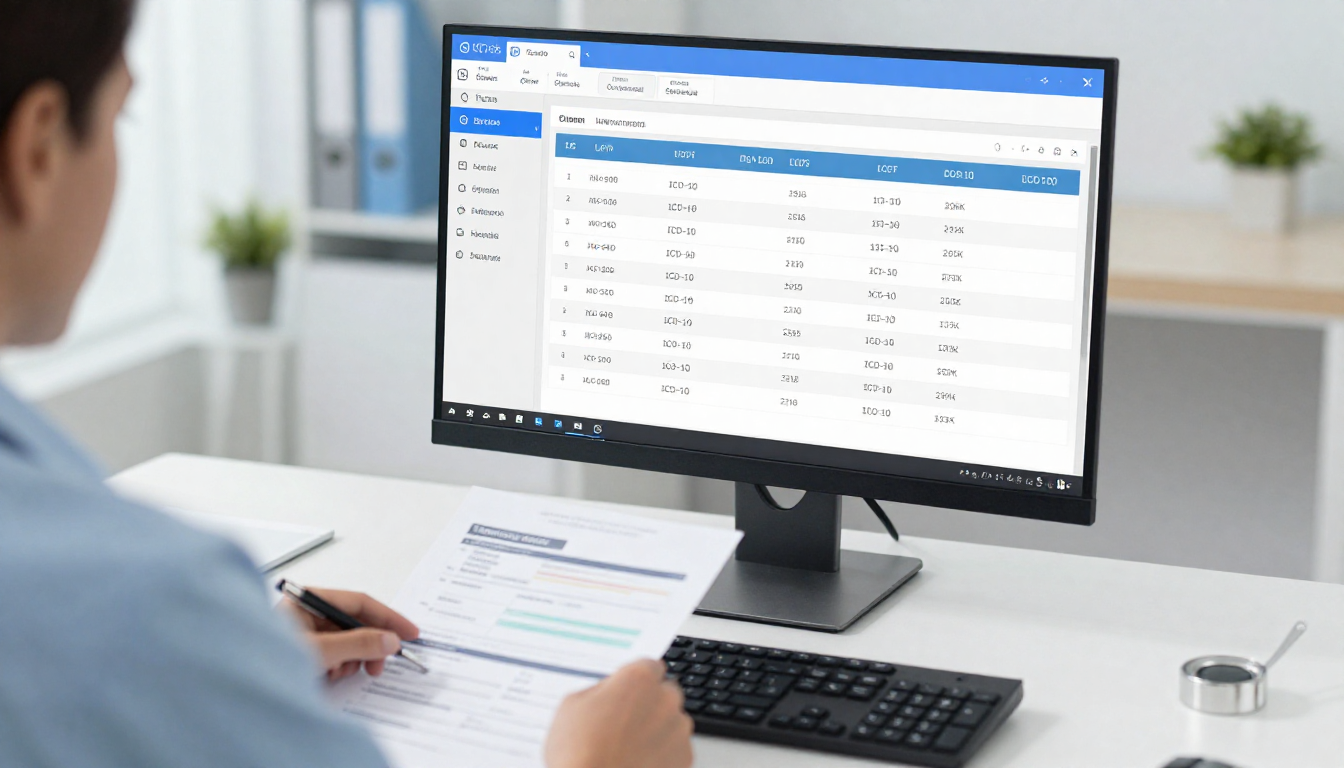
Managing healthcare revenue is no longer just about submitting claims and waiting for payments. Insurance policies are changing more frequently, compliance requirements are getting stricter, and claim denials are becoming more common. For many medical practices, this means increased administrative pressure and a higher risk of lost revenue. To stay financially stable and compliant, practices must focus on accurate medical billing and coding, supported by a strong and well-managed revenue cycle process. Without it, even well-run practices can struggle with delayed payments and avoidable losses.
This comprehensive guide will help healthcare providers, administrators, and small practices understand the latest in medical billing and coding, from CPT, ICD-10, and HCPCS Level II codes to denial management and RCM optimization strategies. By implementing these best practices, practices can recover lost revenue, prevent claim denials, and improve overall operational efficiency.
What is Medical Billing and Coding?
Medical coding translates clinical documentation into standardized codes such as CPT, ICD-10, or HCPCS Level II, which are essential for submitting insurance claims. Medical billing then ensures these claims are submitted, processed, and reimbursed accurately.
Together, billing and coding form the backbone of healthcare revenue cycle management (RCM). Mistakes in coding or billing can lead to delayed reimbursements, penalties, and unnecessary administrative workload.
Key components of medical billing and coding include:
- Charge entry and superbill creation
- CPT, ICD-10, and HCPCS coding
- Claims submission through clearinghouses
- Denial management and accounts receivable (AR) follow-up
- Compliance with payer rules and HIPAA
Major Medical Coding Systems
CPT Codes & E/M Coding
Current Procedural Terminology (CPT) codes describe medical, surgical, and diagnostic services. Evaluation & Management (E/M) codes document patient encounters and physician services. Accurate use ensures proper reimbursement and compliance.
ICD-10-CM
The International Classification of Diseases, 10th Revision, Clinical Modification (ICD-10-CM) codes capture diagnoses and medical conditions. Proper ICD-10 coding prevents claim denials and ensures medical necessity is documented.
HCPCS Level II & CPT Modifiers
HCPCS Level II codes cover supplies, equipment, and services not included in CPT. CPT modifiers and codes like Modifier 25 or 59 clarify circumstances that may affect billing, such as multiple procedures or distinct service episodes.
DRG & HCC Coding
Diagnosis Related Groups (DRG) categorize inpatient services for hospital billing, while Hierarchical Condition Category (HCC) coding helps calculate risk adjustment scores for chronic care management and Medicare reimbursements.
Superbill & Forms
Superbill coding and forms like CMS-1500 (professional services) and UB-04 (facility billing) standardize claims submission and improve payer processing efficiency.
Read More: Why Are 20% of Medical Claims Denied?
Revenue Cycle Management (RCM) Workflow
RCM integrates all steps from patient registration to final payment collection. Core components include:
- Insurance Verification & Prior Authorization – Ensures coverage and pre-approval for procedures.
- Charge Entry & Superbill Coding – Accurate coding services and procedures.
- Claims Submission – Sending claims via clearinghouses with proper documentation.
- Denial Management & AR Follow-Up – Monitoring denied or delayed claims to recover revenue.
- Payment Posting & Reporting – Recording payments, generating financial reports, and identifying trends.
Optimizing RCM reduces revenue leakage, improves cash flow, and ensures regulatory compliance.
Common Billing and Coding Challenges in 2026
Healthcare providers face several challenges in billing and coding today:
- Rising claim denials due to documentation gaps
- Under- or over-coding errors
- Delayed reimbursement cycles
- Regulatory compliance risks
- Complex payer policies and LCD/NCD guidelines
Medical billing audit services and regular staff training are essential to address these challenges. Using remote medical billing solutions or outsourcing to specialized agencies can further streamline workflows and reduce administrative burden.
Benefits of Outsourced Billing Services
Outsourcing to professional billing services companies like Revex Square:
- Expertise in specialty coding (cardiology, dermatology, behavioral health, etc.)
- Faster claim submission & approval
- Denial reduction and AR recovery
- Compliance with HIPAA and NCCI edits
- Scalable solutions for small and medium practices
Remote medical billing and coding also allow practices to focus on patient care rather than administrative tasks. Many small practices have successfully recovered lost revenue and optimized cash flow by implementing outsourced billing audits and RCM solutions.
Final Thoughts
Accurate medical billing and coding in 2026 is no longer optional; it is a strategic necessity. Whether your practice manages claims in-house or uses outsourced services, auditing, denial management, and workflow optimization are critical for financial stability.
By investing in coding accuracy, proper claims submission, and revenue cycle optimization, practices can prevent revenue loss, reduce compliance risks, and ensure sustainable growth.
Revex Square offers a free medical billing audit service for practices of all sizes. Discover hidden revenue opportunities, improve claim accuracy, and prevent costly denials.
FAQ
Q1: What is a medical billing audit?
A: A medical billing audit reviews coding, claim submission, and RCM processes to identify errors, compliance risks, and revenue gaps.
Q2: How often should billing audits be done?
A: Quarterly or biannual audits are recommended for small and medium practices.
Q3: Do billing audits improve reimbursement?
A: Yes, audits detect errors and optimize processes, helping recover lost revenue.