








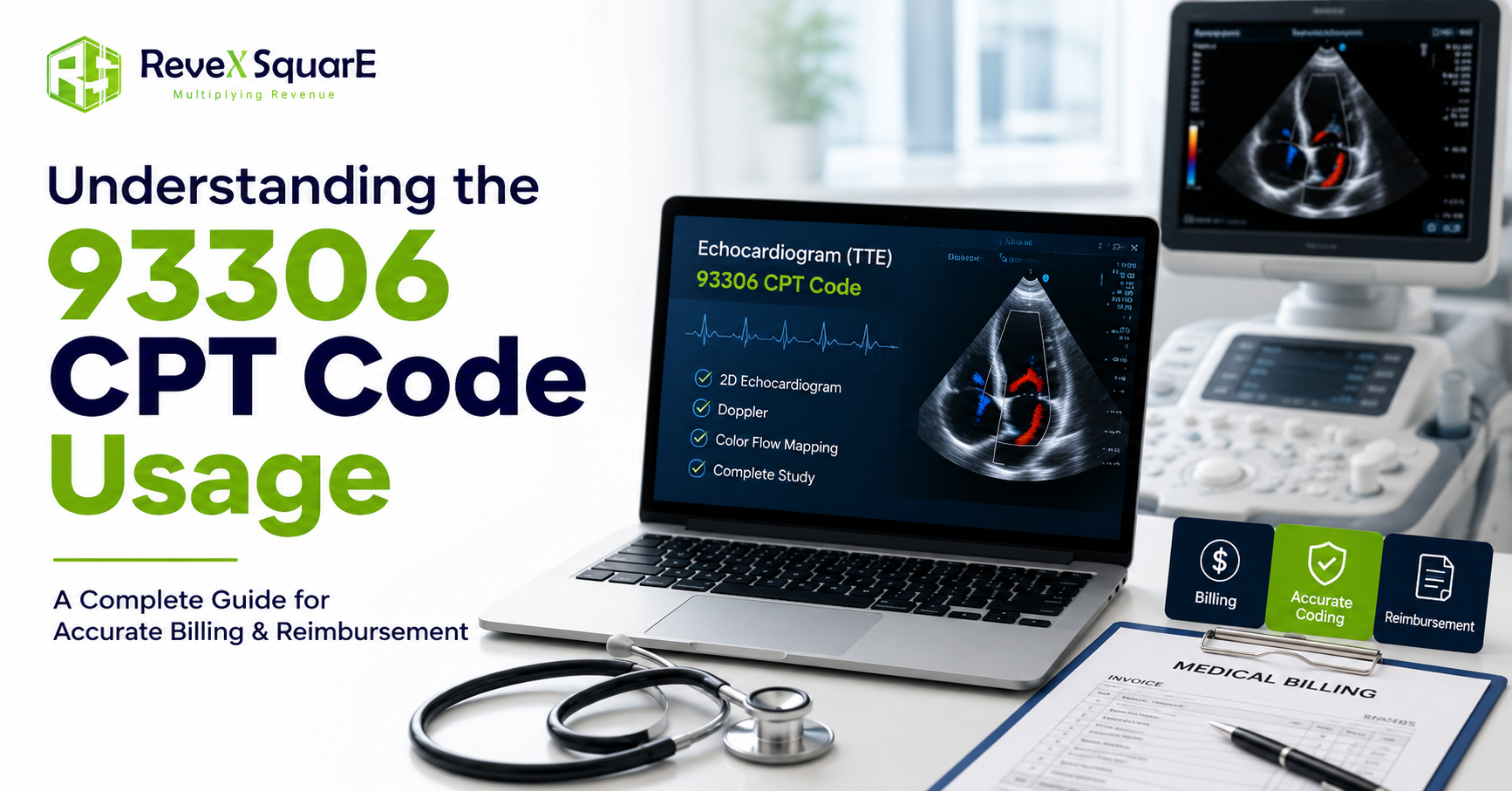
Understanding the 93306 CPT code is crucial for healthcare professionals. This code is widely used in cardiology for billing and coding purposes. It represents a complete transthoracic echocardiogram with Doppler and color flow. In practical coding terms, this is the echocardiogram with Doppler CPT code most commonly used for a complete study and is often cited as the CPT code for transthoracic echocardiography. Many also search for the CPT code for echo Doppler; for a complete study, this corresponds to 93306.
The procedure is non-invasive and provides valuable insights into heart health. It helps assess cardiac structure and function, aiding in the diagnosis of heart conditions.
Accurate use of the 93306 CPT code ensures proper reimbursement from insurance companies. It also standardizes medical billing across healthcare facilities. Using the correct procedure code 93306 aligns documentation with payer expectations.
This guide will explore the components, usage, and differences between related CPT codes. By the end, you’ll have a comprehensive understanding of the 93306 CPT code. You’ll also see how the CPT 93306 description contrasts with related options.
What Is the 93306 CPT Code?
The 93306 CPT code plays a vital role in cardiac diagnostics. It encompasses a comprehensive transthoracic echocardiogram with Doppler and color flow imaging. This procedure is used to evaluate the heart’s chambers, valves, and blood flow. If you’ve wondered, what is CPT 93306, it designates a complete TTE with spectral Doppler and color flow.
The procedure includes a 2D echocardiogram, Doppler echocardiography, and color flow mapping. These elements work together to provide a detailed analysis of cardiac function. It’s a non-invasive procedure that uses ultrasound waves to create images of the heart. Because the CPT code for 2D echocardiogram in a comprehensive exam is bundled, it is reported with the transthoracic echocardiogram CPT code rather than separately.
This diagnostic tool is frequently utilized in cardiology. It helps in diagnosing conditions such as heart murmurs and valve diseases. The 93306 CPT code covers both technical and professional components.
Here’s what the 93306 CPT code includes:
- A complete transthoracic echocardiogram
- Doppler echocardiography
- Color flow mapping
Clinicians may also refer to this as the CPT code for echocardiogram complete. Understanding its usage aids in proper medical billing. It ensures accurate documentation, vital for insurance reimbursement. Cardiologists rely on this code to conduct comprehensive cardiac assessments.
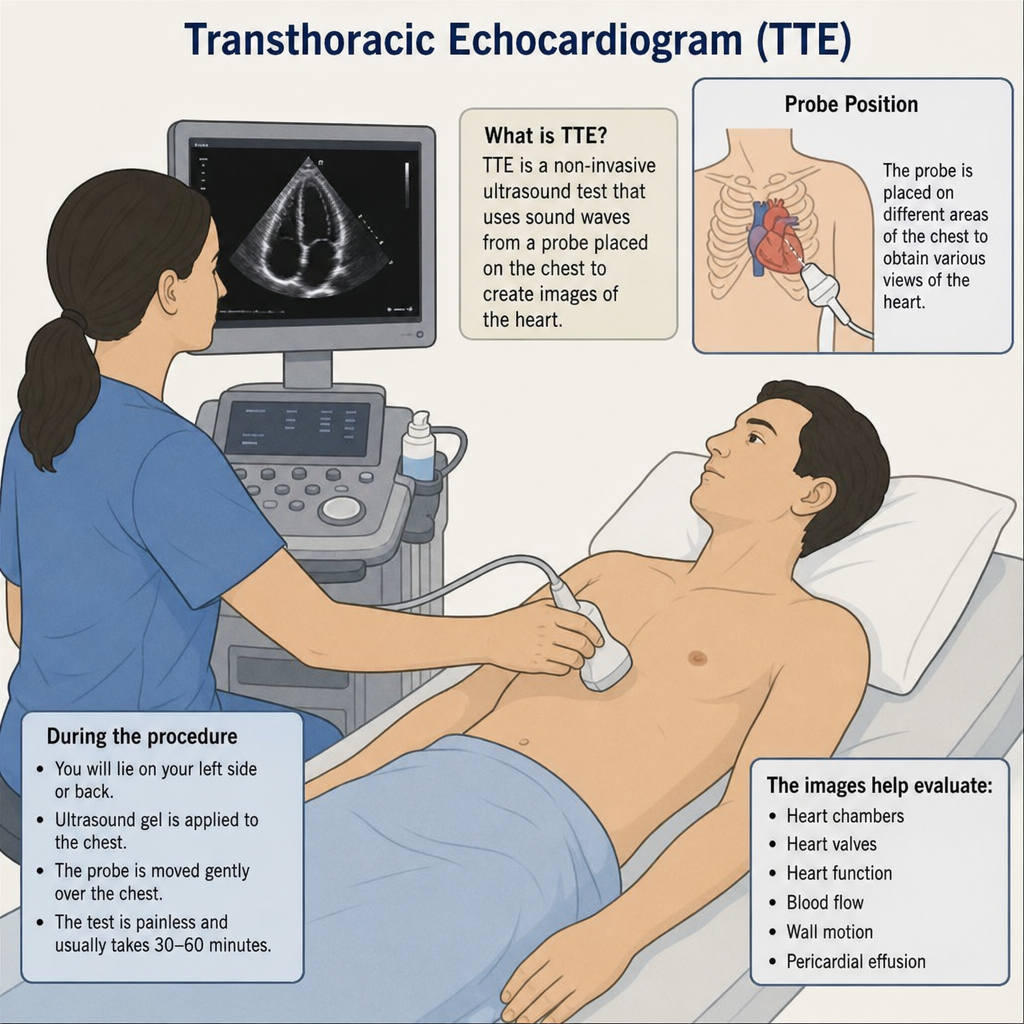
Components of a Complete Transthoracic Echocardiogram (TTE)
A complete Transthoracic Echocardiogram (TTE) consists of several key components. Each part is designed to analyze different aspects of heart health comprehensively.
First, there’s the 2D echocardiogram. It uses ultrasound waves to create detailed pictures of the heart. These images help in examining the size and structure of the cardiac chambers.
Next is the Doppler echocardiography. This component measures blood flow speed and direction through the heart’s valves and chambers. It’s crucial for evaluating heart function and detecting abnormalities.
Finally, color flow mapping is included. It visually represents blood flow dynamics, aiding in the identification of turbulent or abnormal flows. This visual tool helps in the diagnosis of conditions like valve stenosis.
Together, these components form a complete TTE. Each one contributes uniquely to the diagnostic process. Below are the components involved in a TTE:
- 2D echocardiogram
- Doppler echocardiography
- Color flow mapping
The completeness of this test ensures a thorough cardiac evaluation. Each segment provides essential data for diagnosing and managing heart conditions effectively. When documented as a complete study with Doppler, many refer to 93306 as the echo CPT code for TTE (TTE CPT code) in everyday billing.
93306 CPT Code Description and Clinical Indications
The 93306 CPT code is vital in cardiac diagnostics. It covers a full transthoracic echocardiogram with Doppler and color flow imaging. This code is specific to comprehensive heart evaluations, assessing both structure and function. In CPT language, the CPT 93306 description represents the transthoracic echocardiography CPT selection when both spectral and color Doppler are obtained.
Clinically, this code is important for diagnosing various heart conditions. It is routinely used to evaluate cardiac murmurs, heart failure, and valve diseases. The inclusion of Doppler and color flow adds depth to the assessment, making it an invaluable tool in cardiology.
The procedure involves several steps, including imaging and blood flow analysis. Each aspect of this procedure provides detailed information. The aim is to identify and monitor heart abnormalities effectively.
Listed below are key clinical indications for using the 93306 CPT code:
- Evaluation of heart murmurs
- Diagnosis of heart failure
- Assessment of valve diseases
- Detection of congenital heart anomalies
These indications highlight the procedure’s relevance in medical practice. By integrating various imaging techniques, the 93306 CPT code ensures thorough evaluations, which are crucial for accurate diagnosis and treatment planning.
Differences Between 93306, 93303, and 93308 CPT Codes
Understanding the nuances between the 93306, 93303, and 93308 CPT codes is crucial for accurate medical billing and documentation. These codes cater to different echocardiographic needs.
The 93306 CPT code refers to a full transthoracic echocardiogram, with Doppler and color flow, aimed at a comprehensive cardiac assessment. It is the most detailed among the three codes, offering a complete view of heart function and structure.
In contrast, the 93303 CPT code is specifically designated for echocardiograms focusing on congenital cardiac anomalies. This distinction is vital when evaluating patients with congenital heart conditions, ensuring that appropriate diagnostic procedures are billed accurately.
The 93308 CPT code is used for limited or follow-up echocardiograms. Unlike 93306, it does not cover comprehensive assessments. Instead, it is suited for situations where a detailed evaluation is not required.
Here’s a quick comparison:
- 93306: Complete TTE with Doppler and color flow (often the echo transthoracic CPT code when the exam is comprehensive)
- 93303: Echocardiogram for congenital anomalies (cpt code 93303; 93303 cpt code description focuses on congenital evaluation)
- 93308: Limited or follow-up echocardiogram (cpt code 93308; 93308 cpt code description is commonly called the limited echocardiogram CPT code)
These distinctions emphasize the importance of selecting the right code to support precise clinical assessments and reimbursement processes. Proper usage of these codes facilitates accurate documentation and billing in diverse medical scenarios. Collectively, these are the echocardiogram CPT code options used most frequently; choosing the correct procedure code for echocardiogram services ensures precise billing.

When to Use the 93306 CPT Code
The 93306 CPT code is primarily used when a complete assessment of the heart’s function and structure is needed. This code is suitable for patients with symptoms like shortness of breath, unexplained chest pain, or abnormal heart murmurs.
The comprehensive nature of the 93306 code makes it ideal for diagnosing a variety of cardiac conditions, including heart valve diseases, cardiomyopathy, and heart failure. It provides detailed information through imaging and Doppler to assess blood flow and cardiac function effectively. Select the appropriate CPT for transthoracic echocardiogram based on clinical need; when the exam is comprehensive with Doppler, the transthoracic echo CPT typically corresponds to a complete study.
Use 93306 when:
- A thorough cardiac evaluation is required.
- Doppler and color flow imaging are needed.
- Diagnosing heart function anomalies.
Choosing the 93306 code ensures all essential aspects of a patient’s heart health are evaluated, aiding in accurate diagnosis and effective treatment planning.
Step-by-Step: How the 93306 Procedure Is Performed
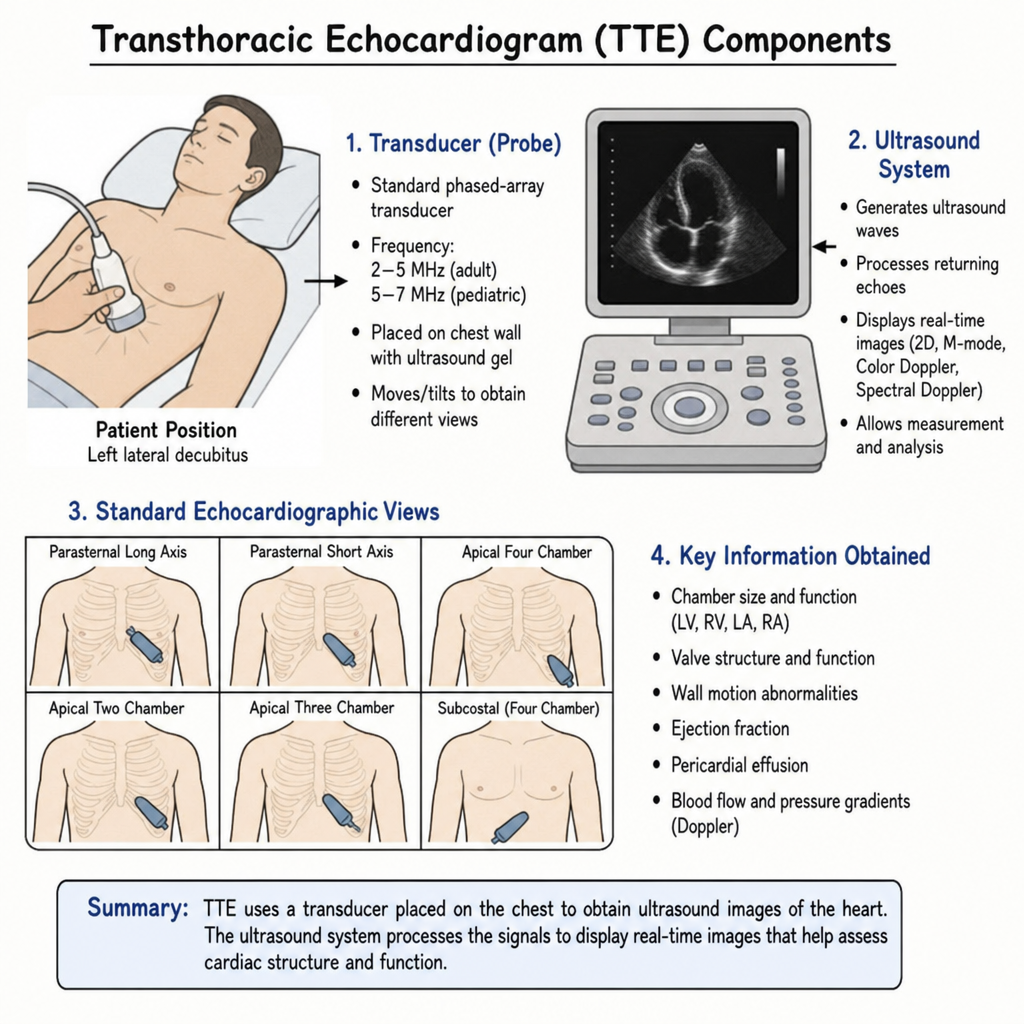
The 93306 procedure, a transthoracic echocardiogram, starts with positioning the patient. They typically lie on their left side, facilitating better heart images.
A clear gel is applied to the chest. This enhances the transmission of ultrasound waves, crucial for capturing detailed images during the exam.
A sonographer uses a transducer, moving it across the chest. This handheld device emits and receives sound waves, converting them into images displayed on a monitor.
Procedure Steps:
- Position patient on left side.
- Apply clear gel to chest area.
- Use transducer for imaging.
- Capture both 2D and Doppler images.

Throughout the procedure, the sonographer may ask the patient to change position or hold their breath. These steps help acquire optimal images of heart function. The cardiologist later reviews the collected images for any cardiac abnormalities, ensuring accurate diagnosis and treatment planning.
Billing, Documentation, and Reimbursement Guidelines
Accurate billing for the 93306 CPT code is essential. Proper documentation is key to ensure reimbursement from insurance companies. Healthcare providers must include detailed reports highlighting the procedure’s necessity and outcomes.
The documentation should capture all components: the 2D echocardiogram, Doppler analysis, and color flow mapping. Clearly describe the observed cardiac structures and any abnormalities detected during the exam. This ensures the medical necessity is well justified. When reporting the global or professional service, ensure your documentation supports procedure code 93306 (often called the CPT code echo complete in payer materials).
Key Documentation Points:
- Include procedure details.
- Document findings accurately.
- Explain medical necessity.

Reimbursement depends on the accuracy of coding and documentation. Errors in coding can lead to claim denials, affecting revenue. Hence, it’s crucial to stay updated on billing codes and insurance policies. Regular training for billing professionals helps maintain compliance and optimizes revenue cycles. By ensuring detailed and precise documentation, healthcare facilities can secure appropriate reimbursement for their services, supporting overall financial health.
Common Mistakes and Tips for Accurate Coding
Coding errors can lead to claim denials and lost revenue. One common mistake is confusing the 93306 CPT code with other echocardiogram codes. Each code serves a distinct purpose and should be used appropriately. Avoid using a generic echo CPT in place of the specific code that matches the service rendered.
Another frequent error involves inadequate documentation. Insufficient details can lead to questions about the medical necessity, delaying reimbursement.
Tips for Accurate Coding:
- Ensure precise documentation.
- Regularly update your coding knowledge.
- Double-check code selections.
To minimize errors, always review the latest coding guidelines and attend relevant training sessions. Staying informed about changes in billing regulations will reduce mistakes and improve claim acceptance rates. Proper training and vigilance ensure accurate coding and efficient practice management.
Read More: Common CPT Codes That Lead to Claim Denials
Frequently Asked Questions About Echocardiogram CPT Codes
Echocardiogram CPT codes can be complex. Many providers have questions about their usage and implications for billing. It’s important to understand these codes thoroughly to prevent errors.
Let’s address some commonly asked questions. What is the primary purpose of the 93306 CPT code? How do you decide between using 93306 and 93308? Understanding these can aid in correct billing.
Frequently Asked Questions:
- What distinguishes the 93306 from 93303?
- When is it appropriate to use 93308?
- What is the echocardiogram with Doppler CPT code for a complete study?
- Is there a separate cpt code for TTE echo in follow-up studies?
- How does the echocardiogram code impact reimbursement?
Accurate answers to these queries help in better coding decisions. Keeping a clear reference guide with FAQs can improve clarity and support more efficient billing processes.
Summary and Key Takeaways
The 93306 CPT code is an integral part of echocardiography procedures. It provides detailed insights into heart structure and function. Understanding its usage helps in accurate medical billing, ensuring proper reimbursement.
This guide has covered crucial elements of the 93306 CPT code. We’ve highlighted its components, differences from other codes, and clinical implications. Mastering these echocardiogram CPT choices is vital for healthcare professionals.
Key Takeaways:
- 93306 involves complete transthoracic echocardiography.
- Differentiates from 93303 and 93308 CPT codes.
- Essential for diagnosing cardiac conditions.
- Accurate coding ensures proper insurance payments.
By keeping these points in mind, healthcare providers can enhance patient care and streamline billing practices.
Frequently Asked Questions
Question: What does CPT 93306 include in a complete transthoracic echocardiogram (TTE)?
CPT 93306 represents a comprehensive, non-invasive TTE that bundles 2D echocardiography, spectral Doppler, and color flow mapping to evaluate cardiac chambers, valves, and blood flow. It is commonly used for complete echocardiogram studies and, as described here, covers both the technical and professional components.
Question: When should I use 93306 instead of 93308?
Use 93306 when a thorough, comprehensive assessment is needed and both Doppler and color flow imaging are obtained—such as for symptoms like shortness of breath, chest pain, or abnormal murmurs, or when evaluating valve disease, heart failure, or cardiomyopathy. Use 93308 for limited or follow-up studies that do not require a full comprehensive evaluation.
Question: How does 93306 differ from 93303?
CPT 93306 is for a complete TTE with Doppler and color flow in general cardiac assessments, while CPT 93303 is specifically designated for echocardiograms focused on congenital cardiac anomalies. Choose 93303 when the clinical question centers on congenital heart conditions.
Question: Do I bill the 2D echocardiogram separately when performing 93306?
No. In a comprehensive exam reported with 93306, the 2D echocardiogram is bundled with Doppler and color flow mapping and should not be billed separately.
Question: What documentation is needed to support 93306 and avoid denials?
Clearly document all components performed (2D imaging, Doppler analysis, and color flow), the findings for cardiac structures and blood flow, and the medical necessity (e.g., evaluation of murmurs, heart failure, valve disease, or congenital anomalies). Common pitfalls include confusing 93306 with other echo codes and insufficient detail; staying current with coding guidelines and double-checking code selection helps ensure accurate reimbursement.
Why Choose Revex Square for Cardiology Medical Billing?
Accurate billing for echocardiography procedures like CPT Code 93306 requires specialized knowledge of coding guidelines, payer requirements, and documentation standards. At Revex Square, our experienced billing professionals help cardiology practices reduce claim denials, improve reimbursement rates, and streamline the entire revenue cycle.
Whether you need assistance with Medical Billing Services, Medical Coding Services, or specialized Cardiology Medical Billing Services, our team is committed to maximizing your practice’s financial performance while ensuring coding accuracy and compliance.
Why Healthcare Providers Choose Revex Square?
- Experienced medical billing and coding specialists
- Accurate CPT, ICD-10, and HCPCS coding
- Reduced claim denials through proactive claim review
- Faster reimbursement and improved cash flow
- HIPAA-compliant billing processes
- Transparent reporting and dedicated client support
Contact us for furthur Details