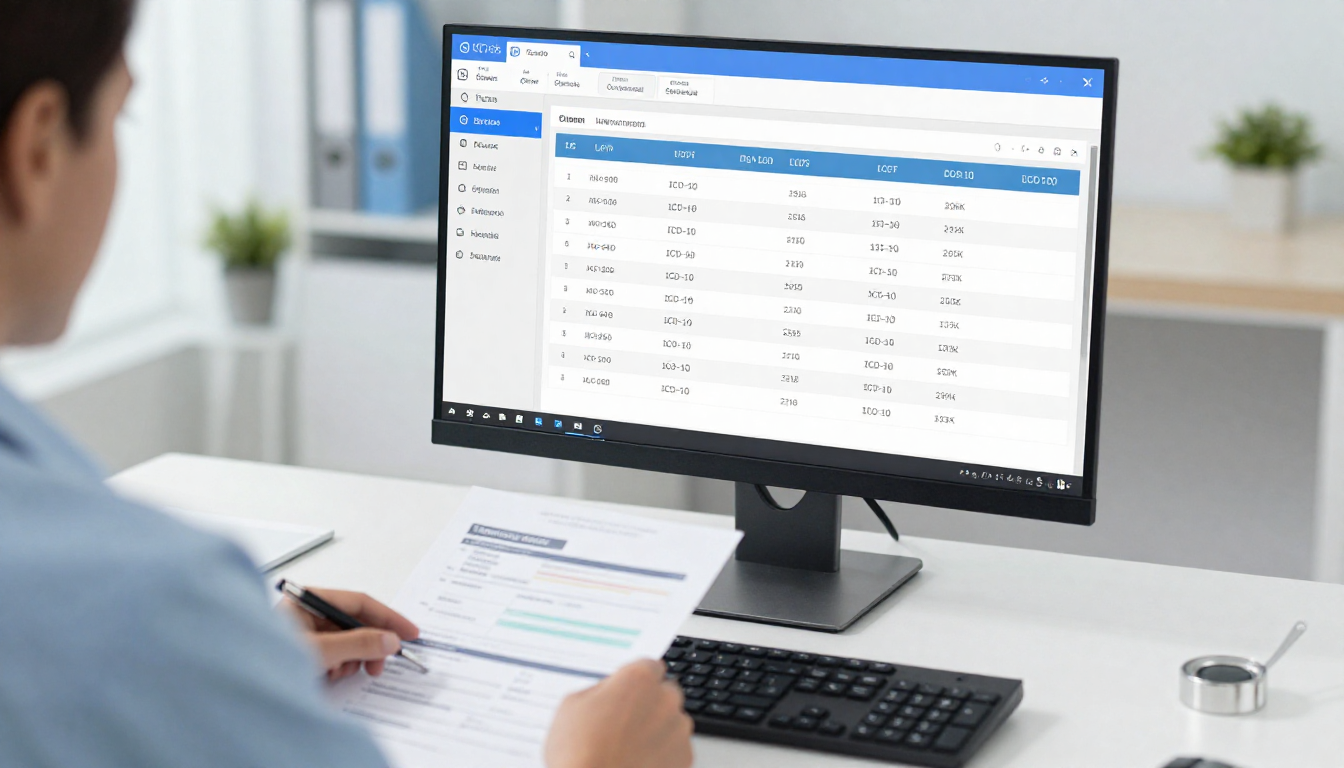








Up to 86% of medical claim denials are preventable with top causes including registration/eligibility errors (27.2%) and missing invalid data (18.6%). Proactive denial management services improves revenue by fixing front- end processes, reducing administrative rework costs, and accelerating cash flow, as 60% of denied claims are often never resubmitted.

Denied claims happen when an insurance payer rejects a claim submitted by a hospital or clinic for payment of services provided, resulting in the provider not receiving reimbursement. These denials lead to revenue loss, something healthcare organizations struggle to handle while operating with very limited financial margins, particularly during challenging times such as a pandemic.
Although claim denials remain a common challenge for healthcare systems, Becker’s Hospital Review reports that about 86% of denials are preventable.
Denied Claims Cause Financial Loss and Waste of Resources

Medical claims can be denied for several reasons, ranging from missing documentation to simple administrative errors. For example, a claim may be rejected due to incorrect patient information, such as outdated insurance details or a misspelled name.
Financial Impact of Denials
Each denied claim costs approximately $120 to reprocess, but the true cost is much higher. Delays in payment, lost revenue opportunities, and repeated administrative work significantly increase the financial burden.

Operational and Administrative Burden
When a claim is denied:
- Billing teams must investigate the issue
- Staff must coordinate with multiple departments
- Claims must be corrected and resubmitted
Even when payment is eventually received, the organization has already spent double the effort handling the same claim.
Improving the clean claim rate (first-pass acceptance) is the most effective way to reduce this burden and optimize revenue.
Strategies to Prevent Claim Denials
Prevention is the most cost-effective approach, as up to 82% of denials are avoidable.
Real-Time Eligibility Checks
Verify patient insurance coverage, policy status, and benefits before each visit to avoid eligibility-related denials.
Enhance Prior Authorization Processes
Establish a structured workflow to confirm authorization requirements and ensure approval details are included in the claim.
Adopt Claim Validation Software
Use automated tools to identify:
- Incorrect diagnosis codes
- Missing modifiers
- Data entry errors
before submission.
Strengthen Clinical Documentation
Ensure clinicians document services clearly and thoroughly to support medical necessity.
Continuous Staff Training
Regularly train staff on:
- ICD-10 updates
- CPT coding changes
- Payer-specific rules
Perform Routine Internal Reviews
Conduct audits to identify recurring issues and improve workflows before they lead to denials.
Strategies to Manage and Resolve Denials
Even with strong prevention, some denials will still occur. A structured denial management process helps recover lost revenue.
Classify and Prioritize Denials
Categorize denials into:
- Administrative
- Clinical
Then prioritize based on claim value and deadlines.
Identify Root Causes
Analyze denial trends by payer, service type, or department to eliminate recurring issues.
Implement a Standard Appeals Process
Review Denial Codes
Carefully analyze Claim Adjustment Reason Codes (CARCs) to understand the denial reason.
Respond Promptly
Submit appeals within strict payer deadlines (often within 90 days).
Use Standardized Templates
Create reusable appeal formats for faster and consistent responses.
Create a Dedicated Denial Management Team
A specialized team ensures efficient tracking, correction, and resubmission of claims.
Track Performance Metrics
Monitor key KPIs such as:
- Net Denial Rate (<5%)
- Clean Claim Rate (>98%)
- Appeal Success Rate (>60%)
These metrics help improve overall denial management performance.
Improving Revenue Cycle Performance Through Accurate Medical Coding
Accurate medical coding is critical for reducing claim denials and ensuring proper reimbursement.
What Is Medical Coding?
Medical coding is the process of converting patient diagnoses, procedures, and services into standardized codes used for billing.
Key Coding Systems in Healthcare
- ICD-10-CM – Diagnoses
- CPT – Procedures and services
- HCPCS – Supplies and additional services
These coding systems are maintained by organizations such as the American Medical Association and CMS.
Read More: Why Healthcare Providers Lose Billions in Claim Denials
How Accurate Medical Coding Works
1. Review Clinical Documentation
Coders analyze:
- Physician notes
- Lab results
- Operative reports
- Discharge summaries
to ensure accuracy.
2. Assign the Correct Diagnosis Codes
Diagnosis codes explain why care was provided.
Example: J18.9 → Pneumonia (unspecified organism)
Incorrect codes can result in medical necessity denials.
3. Assign the Correct Procedure Codes
Procedure codes define the service performed.
Example:
- 71045 → Chest X-ray
- 99213 → Office visit
Mismatch between diagnosis and procedure often leads to denial.
4. Use Modifiers Correctly
Modifiers provide additional context.
Examples:
- -25 → Separate E/M service
- -59 → Distinct procedural service
Incorrect usage can cause bundling or duplicate denials.
5. Ensure Medical Necessity
The diagnosis must justify the procedure. If not, the claim may be denied.
Common Medical Coding Errors That Cause Denials
- Upcoding (higher-level billing)
- Downcoding (lower-level billing)
- Incorrect modifiers
- Diagnosis and procedure mismatch
- Incomplete documentation
- Use of outdated codes
Impact of Accurate Coding on Denial Management
Accurate coding plays a vital role in improving financial performance.
- Reduces claim denials
- Increases clean claim rates
- Ensures compliance
- Improves revenue cycle efficiency
Studies show that 20–30% of claim denials are due to coding errors, making accuracy essential.
Conclusion
Medical claim denials continue to create financial and operational challenges for healthcare providers. However, the fact that 86% of denials are preventable highlights a major opportunity for improvement.
By focusing on:
- Strong front-end processes
- Accurate documentation
- Proper coding practices
- Effective denial management strategies
Healthcare organizations can significantly reduce denials, improve cash flow, and strengthen their revenue cycle.
Professional denial management services providers like Revex Square help minimize denials, improve clean claim rates, and maximize revenue efficiency.
Struggling with high claim denial rates?

Revex Square helps healthcare providers reduce denials, improve clean claim rates, and optimize revenue cycle performance. Contact us today to streamline your billing process.
Faqs
1. What causes medical claim denials, and how preventable are they?
Medical claim denials occur when an insurance payer rejects a claim submitted by a hospital or clinic, often due to registration errors, missing or invalid data, or incomplete documentation. Studies show that up to 86% of claim denials are preventable through accurate information and proper workflows.
2. How do denied claims affect a healthcare organization’s revenue?
Denied claims lead to immediate revenue loss and increased administrative costs. On average, each denied claim costs about $120 to process, and additional resources are required to investigate, correct, and resubmit claims.
3. How does accurate medical coding improve revenue cycle performance?
Accurate coding ensures that diagnosis, procedure, and service codes match clinical documentation, which reduces denials caused by medical necessity errors, mismatched codes, or incorrect modifiers.