




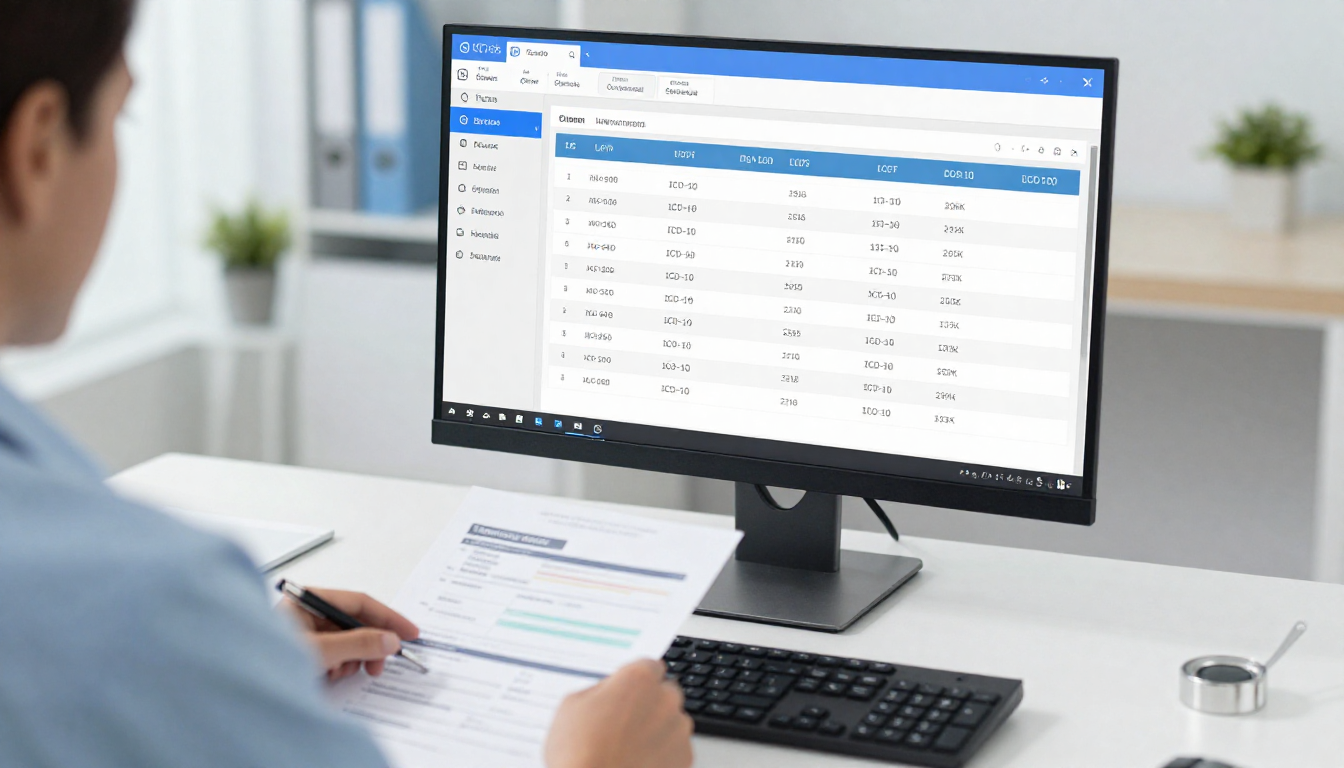
Submitting claims for ABA therapy is a crucial part of clinic operations. Even minor mistakes in data entry, coding, or timing can result in denied claims, delayed reimbursements, and cash flow challenges.
In the field of Applied Behavior Analysis (ABA) roughly 30% of claims are rejected because of avoidable mistakes. Research shows that about one in five medical claims across all specialties is denied during the first review, although behavioral health claims tend to experience higher denial rates, typically between 20% and 30%.
This is where specialized ABA billing services come in; they help guarantee accurate, compliant, and timely claim submissions, reducing denials and improving revenue flow.
Let’s break this down carefully so you can see payer requirements, documentation tips, and common denials for each ABA code. This is what insurance companies often scrutinize, so having it organized saves a lot of headaches.
Frequent ABA Billing services Workflow Errors
Errors are a natural part of being human, but repeated mistakes can become a serious issue for therapy practices. Even one small error can lead to claim denials or payment delays. For this reason, it’s essential for therapy practices to remain vigilant and knowledgeable about the most common ABA therapy billing workflow errors.
Expired or Missed Authorizations
Failing to monitor the start and end dates of authorizations or the approved number of sessions can lead to ABA claim denials, even when services are provided correctly. This issue often arises from manual tracking or the absence of automated reminders.
Delayed Claim Submissions
Backlogs, incomplete documentation, or inefficient workflows can result in ABA claims being submitted late. Missing timely filing deadlines can ultimately lead to permanent revenue loss.
Improper Use of Modifiers for ABA Sessions
Applying incorrect or missing modifiers such as HO, HM, or 95 for telehealth can cause ABA claims to be rejected. This is particularly critical for payers with strict coding requirements.
Ignoring Payer-Specific Guidelines
Assuming that all insurance providers follow the same coding or documentation standards can lead to errors. Each insurer often requires specific combinations of CPT codes, modifiers, and supporting clinical notes.
Common ABA billing codes and their uses:
| 97151 | Behavioral assessment by BCBA. |
| 97153 | Adaptive behavioral treatment by a technician. |
| 97155 | Direct behavioral therapy by a BCBA. |
| 97156 | Family training for aba interventions. |
| 97157 | Parent or caregiver training in a group setting. |
| 0362T | Used for billing parent/caregiver training in ABA therapy. |
| 0373T | Used to evaluate a client’s behavioral needs. |
All of the ABA CPT codes are in 15-minute increments.
According to the medical experts, incorrect coding is responsible for 19% of all denied claims.
Read more: CPT Code 93000 Billing Guide for ECG Services
Benefits of ABA billing services:
1. 97151 – Behavior Identification Assessment
- Definition: Assessment of a patient’s behavior, including a treatment plan design.
- Use in ABA: Typically used for initial evaluation or a comprehensive behavior assessment.
- Benefit: Allows ABA providers to bill for the detailed assessment of the client’s behavioral needs, which informs individualized therapy plans.
2. 97153 – Adaptive Behavior Treatment by Protocol.
- Definition: Direct ABA therapy for a single patient following a treatment protocol.
- Use in ABA: Most common code for one-on-one therapy sessions.
- Benefit: Captures revenue for intensive, individualized therapy sessions; supports insurance coverage for ongoing treatment.
3. 97155 – Adaptive Behavior Treatment with Protocol Modification
- Definition: Supervised modification of ABA treatment plan during a session.
- Use in ABA: Applied when treatment goals or methods are updated based on session progress.
- Benefit: Ensures providers are compensated for real-time treatment plan adjustments, improving therapy outcomes.
4. 97156 – Family Adaptive Behavior Treatment Guidance
- Definition: Providing training or guidance to parents/caregivers to support ABA therapy at home.
- Use in ABA: Focused on family training sessions, not direct patient treatment.
- Benefit: Encourages parent involvement, which is crucial for generalization of skills; allows billing for caregiver-focused sessions.
5. 97157 – Multiple-Family Group Adaptive Behavior Treatment Guidance
- Definition: Group therapy or guidance for multiple families.
- Use in ABA: Conducted in a group format; often for parent training or social skills groups.
- Benefit: Efficient way to provide guidance to several families at once while still billing appropriately.
6. 0362T – Adaptive Behavior Treatment by Technician
- Definition: Used to report initial or ongoing treatment by a technician under supervision.
- Use in ABA: Often used in insurance claims for supervised therapy hours delivered by RBTs (Registered Behavior Technicians).
- Benefit: Ensures proper billing for therapy hours delivered under supervision, supports workforce documentation.
7. 0373T – Adaptive Behavior Treatment by Technician with Supervisor Review
- Definition: Billing code for technician-delivered treatment reviewed by BCBA.
- Use in ABA: Highlights supervision and oversight, ensuring clinical oversight of therapy.
- Benefit: Reinforces quality care, compliance with insurance requirements, and accurate reimbursement for supervised services.
Common ABA codes errors
Below are common errors and how to avoid them in ABA billing codes:
1. Using the Wrong CPT Code
Error: Billing a service with the wrong code for example, using 97155 instead of 97153.
How to Avoid:
- Confirm who provided the service.
- Match the service type with the correct code.
- Review the treatment plan and session notes before billing.
2. Incorrect Time Units
Error: Billing the wrong number of 15-minute units.
How to Avoid:
- Calculate units correctly: 1 unit = 15 minutes.
- Use accurate session start and end times.
3. Missing or Incomplete Documentation
Error: Submitting claims without proper session notes or progress documentation.
How to Avoid:
- Ensure detailed session notes are recorded.
- Include date, time, activities, and patient response.
- Documentation must support the CPT code billed.
4. Billing without Authorization
Error: Submitting claims without insurance authorization.
How to Avoid:
- Verify prior authorization before starting services.
- Track authorized units and dates.
5. Overlapping Services
Error: Billing two services at the same time for the same patient.
How to Avoid:
- Check session schedules carefully.
- Ensure no time overlap unless payer rules allow it.
6. Billing Beyond Authorized Units
Error: Exceeding the number of approved therapy units.
How to Avoid:
- Monitor remaining authorized units regularly.
- Request re-authorization before limits are reached.
7. Incorrect Provider Information
Error: Using the wrong NPI or provider credentials.
How to Avoid:
- Confirm whether the service was done by BCBA, RBT, or technician.
- Use the correct provider NPI and taxonomy.
8. Late Claim Submission
Error: Submitting claims after the payer’s deadline.
How to Avoid:
- Follow each payer’s timely filing limit.
- Submit claims weekly or biweekly.
Conclusion
Accurate ABA billing is not just about submitting claims; it’s about ensuring that every therapy session, assessment, and caregiver interaction is properly documented, coded, and reimbursed. By avoiding common workflow errors such as expired authorizations, delayed submissions, or incorrect modifiers, therapy practices can significantly reduce claim denials and maintain a healthier revenue cycle. Leveraging specialized ABA billing services streamlines this process, ensures compliance, and allows providers to focus on what truly matters: delivering high-quality care to their clients.
For practices looking to simplify their billing workflow and maximize reimbursement efficiency, a structured medical revenue cycle management process ensures that ABA clinics track authorizations, submit claims on time, and minimize billing errors.
Companies like Revex Square provide tailored ABA billing support, automated authorization tracking, and real-time claim management. These solutions help clinics stay organized, reduce administrative errors, and improve cash flow without the stress of manual tracking. Investing in the right billing partner not only protects revenue but also strengthens the foundation for sustainable growth in behavioral health services.