







What if a single coding error was quietly costing your practice thousands of dollars every month?
In 2026, healthcare reimbursements are more tightly regulated and closely audited than ever before. Insurance payers are using automated review systems to detect even minor inconsistencies in claims. A small mistake in diagnosis coding, modifiers, or documentation can trigger denials, delay payments, or reduce reimbursement amounts, directly impacting your bottom line.
This is why accurate medical coding for reimbursements has become a financial priority for healthcare providers across the United States. It’s no longer just a back office task, it’s a revenue protection strategy.
When medical coding is precise, claims move faster, denials decrease, compliance risks shrink, and providers receive full payment for the care they deliver. When it’s inaccurate, revenue leakage becomes inevitable.
In this blog, we’ll explore how accurate medical coding directly improves reimbursements in 2026, and why healthcare organizations that prioritize coding accuracy are seeing measurable financial growth.
What Is Accurate Medical Coding?
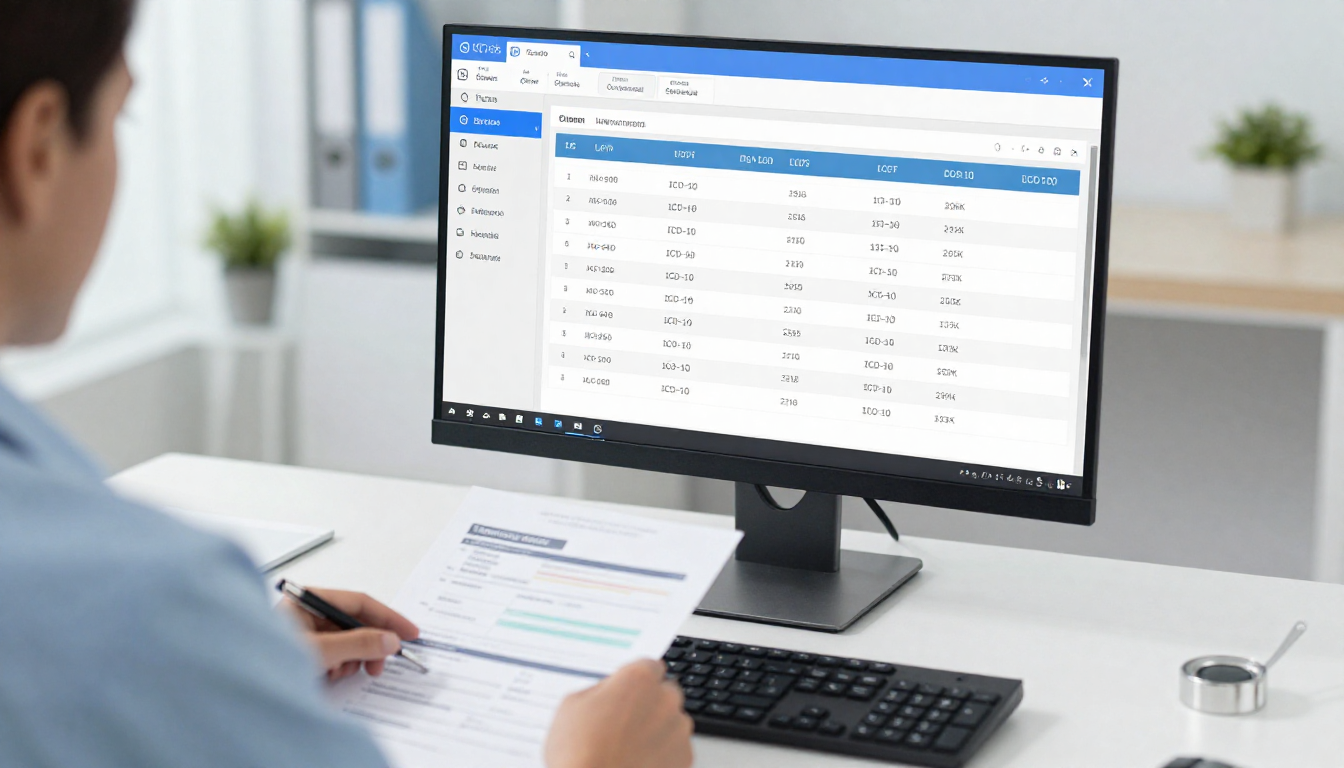
Medical coding is the process of converting clinical diagnoses, treatments, and procedures into standardized codes such as:
- ICD-10 (International Classification of Diseases)
- CPT (Current Procedural Terminology)
- HCPCS (Healthcare Common Procedure Coding System)
These codes are used by insurance companies to determine reimbursement eligibility and payment amounts.
Accurate medical coding involves:
- Assigning the correct diagnosis and procedure codes
- Using proper modifiers when required
- Ensuring complete and specific clinical documentation
- Following payer-specific billing rules and guidelines
When coding is accurate, claims are processed efficiently. When coding is inaccurate, providers face delays, denials, and revenue leakage.
How Accurate Medical Coding Improves Reimbursements
1. Reduces Claim Denials and Rejections
Coding errors are one of the leading causes of claim denials in the United States. Incorrect codes, missing modifiers, or insufficient documentation can trigger automatic claim rejections.
Accurate coding ensures clean claim submission, significantly increasing first-pass acceptance rates and reducing costly rework.
2. Accelerates Payment Processing
Insurance companies prioritize clean claims, those submitted correctly the first time. Accurate medical coding reduces processing delays and accelerates reimbursement timelines.
Faster payments improve cash flow stability and help healthcare providers maintain operational efficiency.
3. Prevents Revenue Loss from Undercoding
Undercoding occurs when providers bill for a lower-level service than what was actually delivered. This results in lost revenue that often goes unnoticed.
Accurate coding ensures providers receive full reimbursement for all services performed, protecting financial performance.
4. Ensures Regulatory Compliance
Healthcare regulations continue to evolve, and incorrect coding can trigger audits, penalties, or legal risks. Accurate medical coding helps providers comply with:
- HIPAA regulations
- CMS guidelines
- Insurance payer policies
Compliance protects healthcare organizations from financial penalties and reputational damage.
5. Improves Revenue Cycle Efficiency
Accurate coding improves overall revenue cycle management by:
- Reducing claim rework
- Minimizing accounts receivable delays
- Improving billing workflow efficiency
This creates a more predictable and stable revenue stream.
6. Enhances Financial Forecasting and Practice Growth
When coding accuracy improves, revenue becomes more consistent and predictable. This allows healthcare providers to:
- Plan future investments
- Hire additional staff
- Expand services confidently
Accurate coding supports long-term financial growth and stability.
Read More: Top 7 Benefits of Outsourcing Medical Coding Services in 2026
The Financial Impact of Coding Errors
Coding mistakes can be expensive. Industry research shows that healthcare providers lose between $25 and $118 per denied claim due to rework costs, delayed payments, and administrative effort.
Common coding errors include:
- Incorrect diagnosis codes
- Missing modifiers
- Lack of documentation specificity
- Upcoding or undercoding
- Failure to follow payer-specific guidelines
Preventing these errors directly improves reimbursement rates.
Proven Strategies to Improve Medical Coding Accuracy in 2026
1. Hire Certified Medical Coders
Certified coders like Revex Square understand complex coding systems and stay updated with regulatory changes, reducing errors and improving claim acceptance rates.
2. Use AI-Assisted Coding Technology
At Revex Square we used advanced coding software that helps identify errors, suggest correct codes, and improve coding efficiency while reducing manual mistakes.
3. Conduct Regular Coding Audits
Routine coding audits help identify weaknesses, correct recurring errors, and maintain compliance with payer and regulatory standards.
4. Improve Clinical Documentation
Accurate coding starts with detailed clinical documentation. Training physicians and staff to document thoroughly improves coding accuracy and reimbursement outcomes.
5. Outsource Medical Coding Services
Many healthcare providers in 2026 are outsourcing coding to experienced professionals like Revex Square. Outsourced coding services offer:
- Certified coding specialists
- Reduced coding errors
- Faster claim processing
- Improved compliance
- Higher reimbursement rates
Outsourcing allows providers to focus on patient care while experts manage coding accuracy.
Why Accurate Medical Coding Matters More Than Ever in 2026
Healthcare insurers now use advanced automation and AI to review claims. These systems quickly detect coding inconsistencies and reject inaccurate submissions.
Providers that prioritize accurate medical coding benefit from:
- Higher claim approval rates
- Faster reimbursements
- Reduced compliance risks
- Improved financial performance
Accurate coding is no longer optional, it is essential for maintaining financial health in modern healthcare.
Conclusion
Accurate medical coding for reimbursements plays a critical role in the financial success of healthcare providers. From reducing claim denials to accelerating payments and ensuring compliance, coding accuracy directly impacts revenue cycle performance.
In 2026, healthcare providers that invest in coding accuracy, through certified coders, advanced technology, or outsourced coding services, position themselves for stronger financial stability and sustainable growth.
Partnering with experienced medical coding professionals ensures cleaner claims, faster reimbursements, and improved revenue outcomes.
If your healthcare organization wants to reduce denials and maximize reimbursements, accurate medical coding is the foundation of long-term success.
FAQs
1. Why is accurate medical coding important for reimbursements?
Accurate medical coding ensures claims are processed correctly, reducing denials and improving reimbursement speed and accuracy.
2. What happens if medical coding is incorrect?
Incorrect coding can cause claim denials, payment delays, compliance risks, and lost revenue.
3. How does accurate coding improve revenue cycle management?
Accurate coding improves claim acceptance rates, reduces delays, and ensures providers receive proper reimbursement.
4. Can outsourcing medical coding improve reimbursements?
Outsourcing provides access to certified coding experts who improve coding accuracy and reduce claim denials.
5. What is the biggest benefit of accurate medical coding?
The biggest benefit is faster, more reliable reimbursements and improved financial stability.