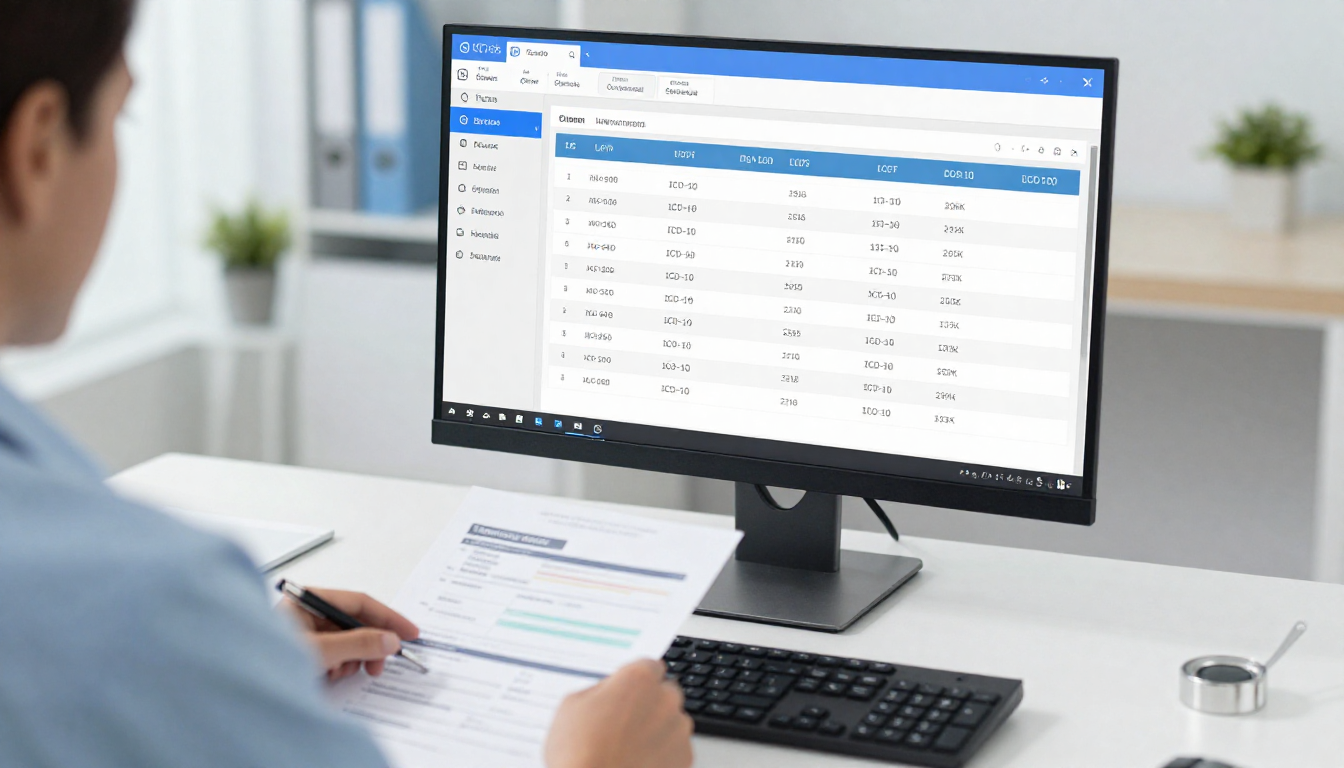










An Electrocardiogram (ECG) is a quick, painless test that records the heart’s electrical activity, helping detect irregular heart rhythms, heart attacks, and other cardiac conditions early. With heart disease remaining a leading cause of death worldwide, ECG testing plays a vital role in timely diagnosis and routine patient care.
In cardiology billing services, providers report a complete ECG using CPT Code 93000, which includes both the recording and the physician’s interpretation. Accurate coding and proper documentation are essential to avoid claim denials, speed up reimbursements, and ensure compliance with insurance guidelines.
What is CPT Code 93000?
The 93000 CPT code refers to “Electrocardiogram, routine ECG with at least 12 leads; including interpretation and report.” This means the ECG must be performed using a minimum of 12 leads, and the physician must review the results and prepare a written report.
This code covers both components of the service: the technical part, which involves performing the ECG using the machine, and the professional part, where the doctor interprets the findings.
It is typically used for patients experiencing possible heart-related symptoms who require a fast heart evaluation during an office visit.
What Is Included in the 12-Lead Electrocardiogram (CPT 93000) Service?
The CPT code 93000 service generally covers the following steps:
- Attaching electrodes to the patient’s chest, arms, and legs
- Recording the heart’s electrical signals through the ECG machine
- A physician reviewing and interpreting the ECG findings
- Preparation of a written report with proper medical documentation
CPT 93000 is considered a global code, which means it includes both parts of the service:
- Technical component: use of the ECG equipment, supplies, and the work of the technician
- Professional component: the physician’s analysis of the ECG and the final report.
Procedure Code 93000 Compared with Other ECG Codes
Key Differences between 93000, 93005, and 93010
- 93000: Represents the global service, meaning it includes both performing the ECG test and the physician’s interpretation with a report.
- 93005: Covers only the technical component, such as recording the ECG tracing and using the equipment.
- 93010: Refers to the professional component only, which is the physician’s interpretation and written report of the ECG.
When Each Code Should Be Used
- Use 93000 when your facility performs the ECG test and the physician also interprets the results.
- Use 93005 when only the ECG tracing is recorded, such as when testing is done in a hospital or outside diagnostic facility.
- Use 93010 when the physician only reviews and interprets the ECG without performing the test.
Selecting the appropriate code is important to ensure accurate billing and to prevent under billing, overbilling, or compliance issues during audits.
Read More: How to Bill CPT Code 90832 Correctly in 2026
Medical Necessity Guidelines for CPT 93000
When billing CPT code 93000, it is important to demonstrate medical necessity. Insurance companies require documentation proving that the ECG was required to diagnose or manage a patient’s condition. If the medical need is not clearly documented, the claim may be denied or reimbursed at a lower rate.
Insurance Payer Requirements
Most payers require that an ECG be ordered due to specific symptoms, existing medical conditions, or identified risk factors. ECGs performed as routine screenings are generally not covered unless the insurance plan specifically allows them. Medicare and Medicaid usually have stricter documentation standards, while commercial insurers may either follow their own policies or adopt Medicare guidelines.
Local Coverage Determinations (LCDs)
Medicare Administrative Contractors publish Local Coverage Determinations (LCDs) that include lists of ICD-10 diagnosis codes supporting the use of CPT code 93000. Healthcare providers should review their regional LCD policies to ensure proper coding and reduce the risk of claim denials.
How to Document Medical Necessity
To support medical necessity, clinical documentation should clearly connect the ECG to the patient’s symptoms, conditions, or risk factors, such as:
- Chest discomfort or pressure
- Shortness of breath
- Palpitations or irregular heart rhythm
- Lightheadedness or fainting episodes
- History of cardiovascular disease, high blood pressure, or diabetes
- Abnormal findings during a physical examination
Avoid Billing for Routine Screening
CPT 93000 should not be billed for general wellness exams or routine preventive screening unless the payer specifically covers it. Documentation must clearly indicate the medical reason for performing the ECG.
Frequent Billing Mistakes with CPT Code 93000
Even small mistakes can lead to significant revenue loss through claim denials, payment delays, or missed reimbursements.
Documentation & Coding Tips
- Ensure physicians sign all ECG interpretations.
- Apply accurate and precise diagnosis codes.
- Avoid duplicate or incorrect billing.
Billing Guidelines for CPT 93000
- This code is a global service; do not submit the technical and professional components separately.
- Repeat ECGs only when clinically justified, and clearly document the medical necessity.
ICD and Diagnosis Codes for ECG Billing
When submitting a claim for an ECG, you must include an appropriate diagnosis code to justify the test. This is typically the ICD-10 code that explains why the ECG was medically necessary.
Common ICD-10 codes used with CPT code 93000 include:
- R07.9 – Unspecified chest pain
- I48.91 – Unspecified atrial fibrillation
- R00.2 – Palpitations
- I10 – Essential (primary) hypertension
Cardiac Echocardiogram vs Electrocardiogram
An electrocardiogram (ECG) and an echocardiogram (echo) serve different purposes. The ECG records the heart’s electrical activity, while the echo uses ultrasound to provide images of the heart’s structure and assess its function.
When an echocardiogram includes Doppler imaging and color flow assessment, the appropriate CPT code is 93306, which is distinct from 93000. In certain situations, both tests may be ordered together to provide a comprehensive evaluation of cardiology health.
Why Outsourcing ECG Billing Helps Cardiology Practices
Skilled billing professional companies like revex square can relieve your practice of administrative stress by ensuring CPT code 93000 is accurately coded, reducing claim denials. Properly submitted claims mean quicker reimbursements and a healthier cash flow. These experts also keep up with the latest insurance regulations and coding updates, helping your practice stay compliant and audit-ready.
Managing ECG billing can be time consuming for busy cardiology practices. Partnering with experienced billing companies like Revex Square helps reduce administrative burden, improve claim accuracy, and speed up reimbursements.
Conclusion
Accurate billing of CPT 93000 is essential for both patient care and the financial health of your practice. By ensuring proper documentation, selecting the correct codes, and demonstrating medical necessity, providers can minimize claim denials, expedite reimbursements, and maintain compliance with insurance regulations. Proper ECG billing safeguards your revenue, supports patient safety, and strengthens your practice’s operational efficiency, allowing your team to focus on delivering high quality cardiac care.
FAQ
What does CPT Code 93000 include?
It includes both the ECG recording and physician interpretation with a written report.
What is the difference between 93000 and 93005?
93000 is a global code including both components, while 93005 covers only the technical component.